You're charging $80 for a $180 job.
And you don't know it, because you've never had a way to work out what the job is actually worth. That's not a detailing problem. It's a business-side problem — and it has a fix.
Instant download · 45 documents · Works in Google Docs & Sheets
Three things that happened to you this month.
You pulled a number out of the air.
They asked what it costs. You paused, guessed low so you wouldn't lose them, and spent five hours on a job you priced in four seconds. You knew it was wrong before you finished the driveway.
You drove 40 minutes to an empty driveway.
No deposit. No confirmation. No answer on the phone. Half a day gone, gas burned, and a slot you turned someone else down for. And there was nothing you could point to and say "this is the policy."
"That scratch wasn't there before."
It was. You know it was. But you have no photo, no signature, no form — so it's your word against theirs, in their driveway, while you're holding their keys. You ate it. You always eat it.
None of these are detailing problems.
You already know how to clean a car. Nobody ever gave you the other half of the business.
DETAILER OS
The complete business side of a mobile detailing operation. Everything except washing the car.
45 documents across 7 systems — pricing, booking, protection, checklists, invoicing, client-getting and tracking. Not a folder of templates filed by type. They're ordered the way a real job actually happens, so you always know what comes next.
PRICE IT
Stop guessing. Stop undercharging.
BOOK IT
Kill no-shows before they cost you a day.
PROTECT IT
The paperwork that saves you $3,000.
DO IT
Same result every single time.
GET PAID
From finished job to money in the account.
GROW IT
The next job starts before you leave the driveway.
RUN IT
Know your numbers or you're just washing cars.
One makes you money. One stops you losing it.
The Pricing Calculator
Pick three things. Get three prices. Quote in under a minute.
Three tiers built automatically, so you stop selling one service and start selling a choice. Condition multiplier, so the disaster car costs what a disaster car should. Travel built in. And a sanity check that tells you when a job isn't worth taking — because walking away is a business decision most detailers have never given themselves permission to make.
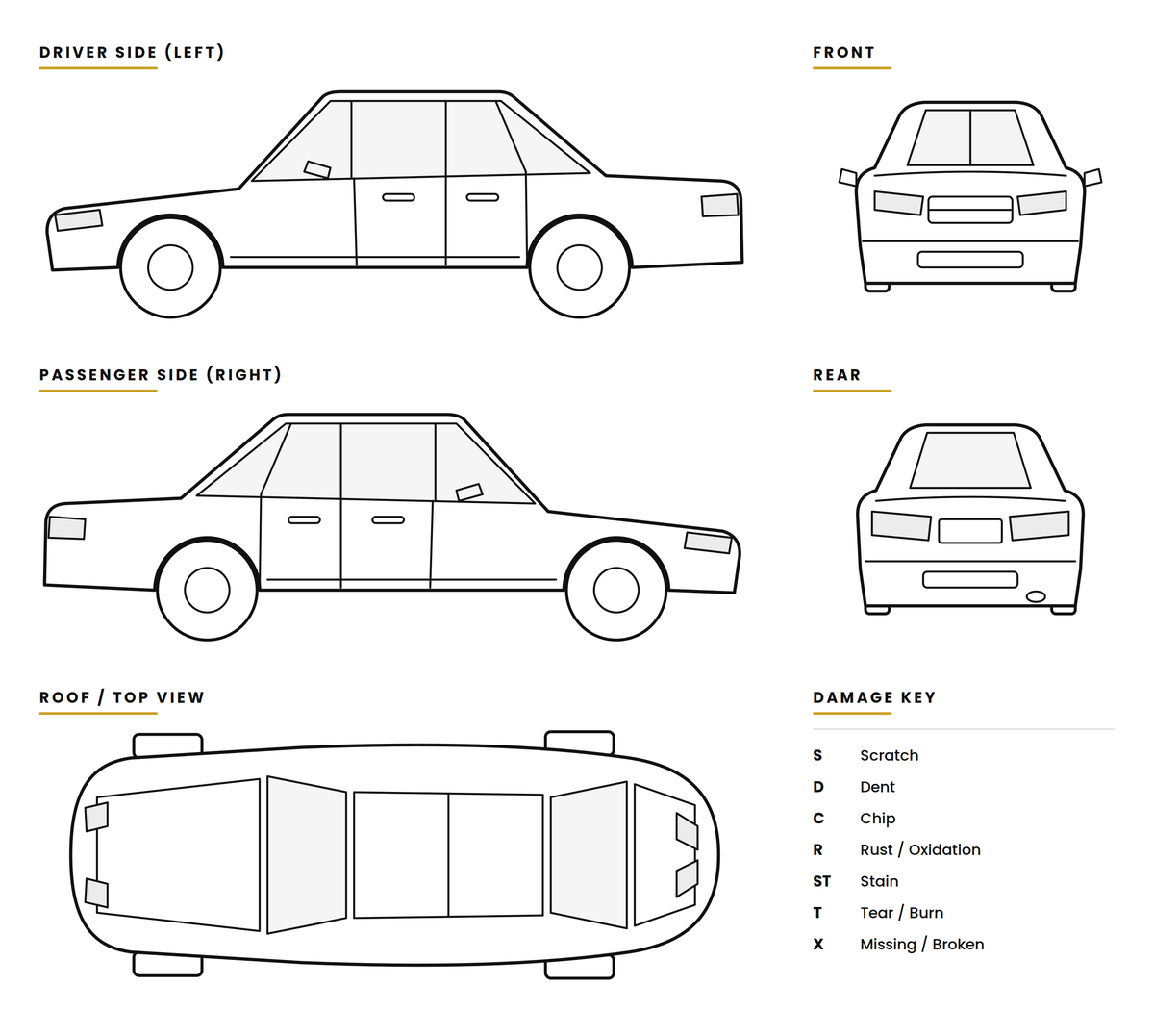
The Vehicle Inspection & Condition Report
Five minutes at the start of every job. Ends the argument before it exists.
You walk the vehicle with them, mark what's already there, they sign. When they come back at handover pointing at a scuff, you don't argue — you hand them the form with their own signature on it.
This one document is why the pack pays for itself the first time it's used.